sana › Roots & Spices › Cayenne
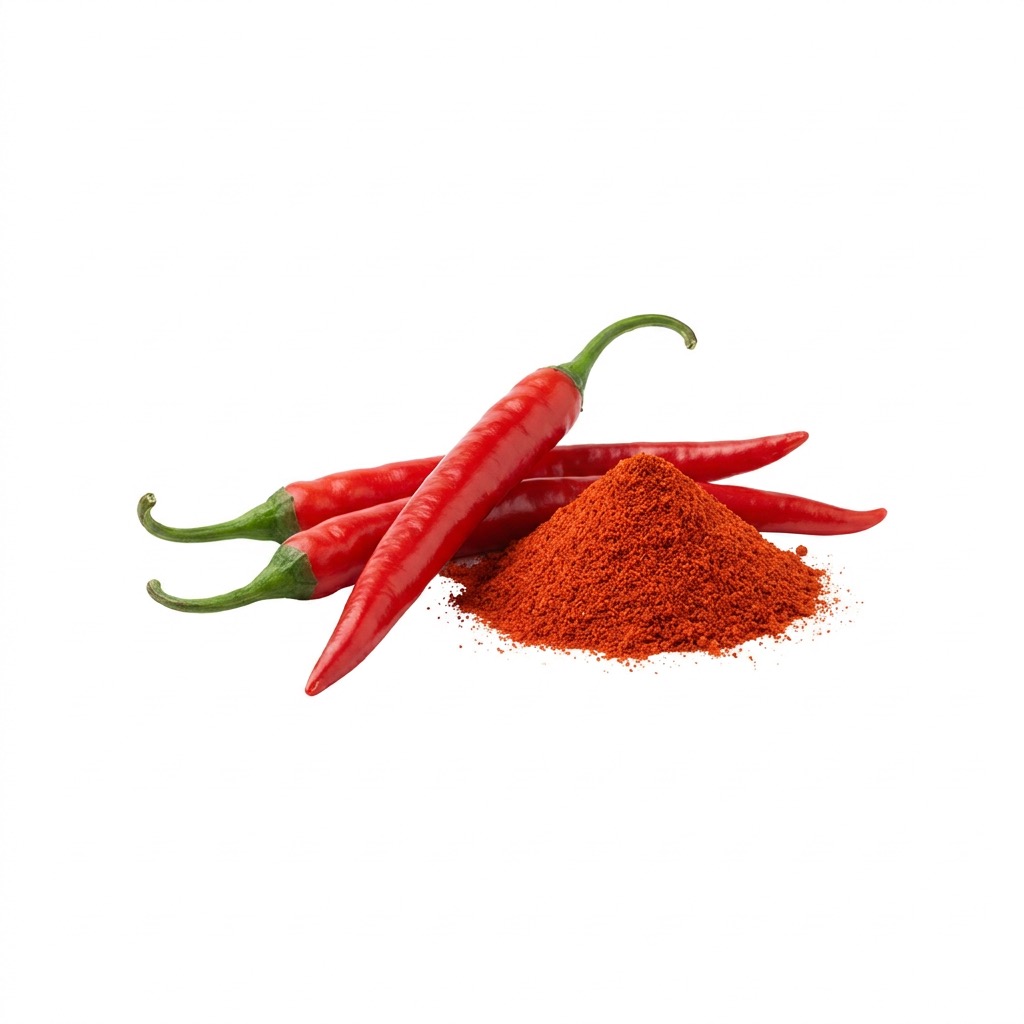
Cayenne · Capsicum annuum
Roots & Spices
Cayenne
Capsicum annuum
A hot red pepper rich in capsaicin — cayenne is used in food and in measured skin preparations for temporary relief from muscle and joint discomfort.
Benefits
capsaicin warms the skin and temporarily quiets some pain signals when used in a measured topical preparation
its hot pepper compounds briefly widen small blood vessels and create a warming feeling
cayenne provides capsaicin and red pigments in small amounts used for cooking
They will see the photograph and what it helps with.
Why they work
the compound that creates cayenne's heat. On the skin, repeated use can reduce the strength of some pain signals
red and orange plant pigments that help protect the pepper
a natural vitamin found in fresh cayenne peppers
give cayenne its sharp smell and taste
How to use it for the specific effect
add a small amount to beans, soups, vegetables, sauces, or eggs
choose a cream or patch with a clearly stated capsaicin amount and follow its directions
the heat can build after application
keep cayenne and capsaicin away from the eyes, nose, and mouth
Key active compounds
the main hot compound in cayenne
red pigments found in ripe peppers
a natural vitamin in the fresh pepper
protective plant pigments in the pepper
Caution
do not apply cayenne or capsaicin to broken skin, and wash the area with soap and water if the heat becomes severe
use less or avoid it if hot peppers reliably cause these problems
How we chose it to buy online
We check every product so you don't have to. A cayenne only makes our list if:
- Capsicum species clearly named — the label should identify cayenne as Capsicum annuum or another clearly named Capsicum species
- Food and skin products kept separate — a culinary powder is not the same as a measured capsaicin cream or patch
- Capsaicin amount shown for topical products — avoid products that list only “pepper extract” without a strength
- Plain pepper preferred — avoid blends that hide how much cayenne is present
- Fresh aroma and strong color — dull, dusty powder may have lost some of its flavor and plant compounds
- Sealed, light-protective packaging — helps protect the pepper's color and aroma
If no product meets these standards, we don't list one. No exceptions for affiliates.
See our picks
Some of these are affiliate links. If you buy through one we may earn a commission, at no extra cost to you.