sana › Herbs & Plants › Rosemary
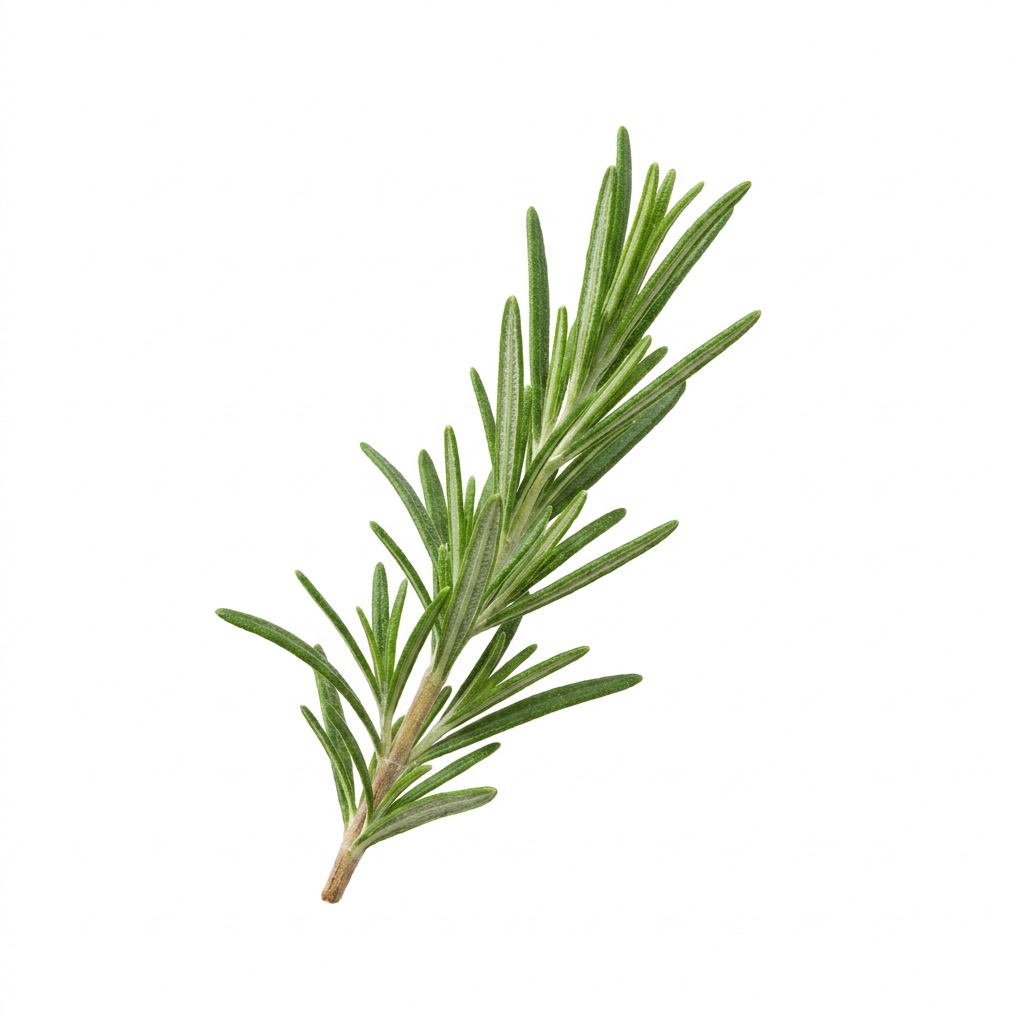
Rosemary · Salvia rosmarinus
Herbs & Plants
Rosemary
Salvia rosmarinus
A fragrant evergreen herb with a pine-like taste — rosemary adds strong flavor to food and contains natural plant compounds that help protect the herb.
Benefits
its aromatic oils help settle a heavy stomach after a rich meal
rosemary's scent and aromatic compounds help promote alertness and focus
its natural plant compounds help keep blood vessels working normally
rosemary is rich in compounds that help protect cells from everyday damage
They will see the photograph and what it helps with.
Why they work
a plant compound that helps the body manage everyday irritation
natural rosemary compounds that help protect the herb's oils from damage
an aromatic compound responsible for much of rosemary's fresh scent
give rosemary its strong aroma and support its traditional digestive use
How to use it for the specific effect
add fresh or dried rosemary to potatoes, beans, vegetables, soups, meat, or sauces
use rosemary as a mild tea after a meal
smell fresh rosemary or use the herb in cooking during the day
choose the leaf or a food-grade tea rather than concentrated rosemary oil
Key active compounds
a protective plant compound in the leaf
a natural compound found in rosemary
another protective rosemary compound
the fresh, camphor-like aromatic compound in the herb
Caution
stick to normal cooking amounts rather than concentrated teas or extracts
How we chose it to buy online
We check every product so you don't have to. A rosemary only makes our list if:
- Rosmarinus officinalis or Salvia rosmarinus clearly named — both names identify the same culinary rosemary plant
- Leaf or plain dried herb — no unclear blends or secret extracts
- Strong fresh aroma — stale rosemary has little scent and poor flavor
- Whole leaves or coarsely cut herb — these retain their aroma better than dusty powder
- Sealed, light-protective packaging — helps preserve rosemary's aromatic oils
- Clear origin and batch details — the label should show where the herb came from and when it was packed
If no product meets these standards, we don't list one. No exceptions for affiliates.
See our picks
Some of these are affiliate links. If you buy through one we may earn a commission, at no extra cost to you.