sana › Herbs & Plants › Sage
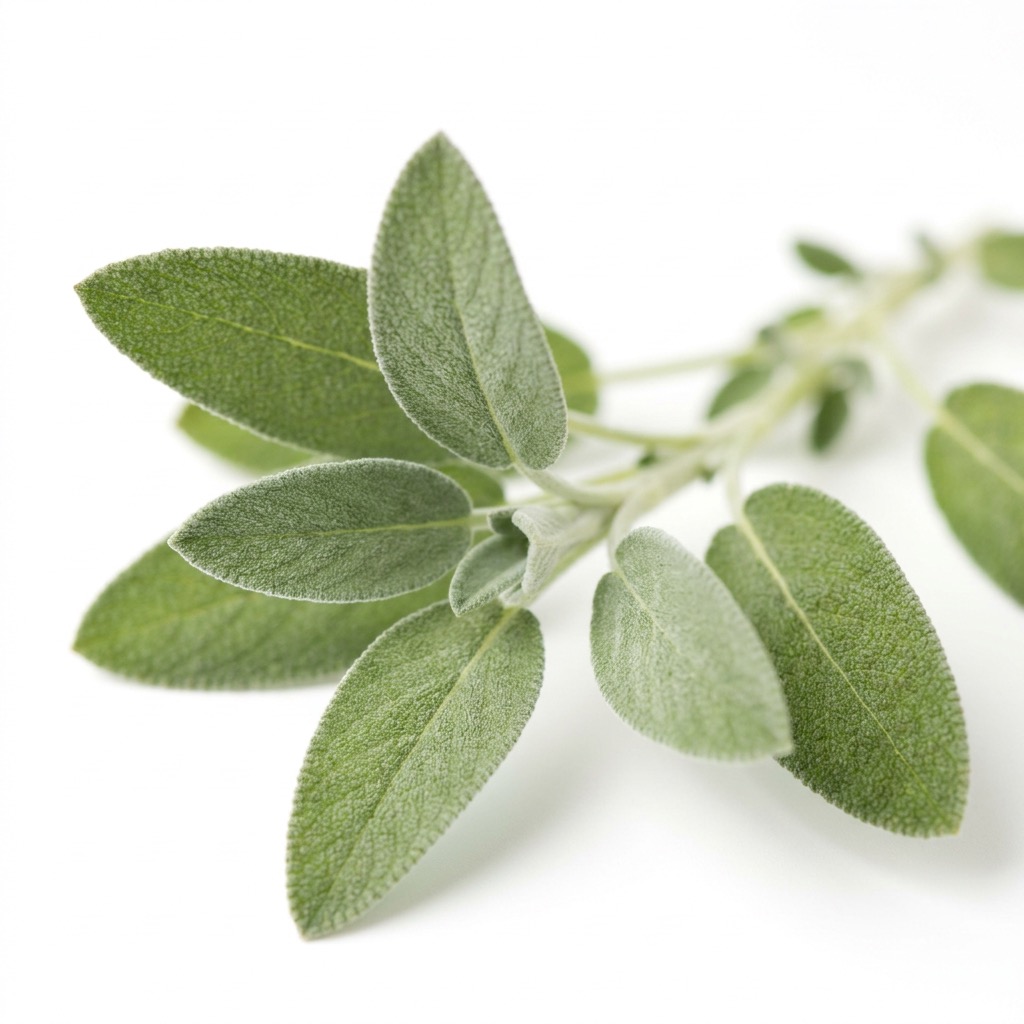
Sage · Salvia officinalis
Herbs & Plants
Sage
Salvia officinalis
Its name is the Latin for save or heal, and officinalis marked it as a plant kept in the pharmacy. It comes from the northern Mediterranean, where it grows on dry stony ground.
Benefits
aromatic compounds in sage influence cholinergic and antioxidant pathways involved in normal cognitive function
traditional culinary use provides aromatic bitter compounds that encourage digestive secretions and ease occasional post-meal heaviness
sage's volatile oils help maintain a clean-feeling mouth and support everyday oral hygiene
sage has a long history of traditional use during periods of excessive sweating, especially night sweats
They will see the photograph and what it helps with.
Why they work
a polyphenol that supports antioxidant defenses and helps regulate inflammatory signaling
diterpenes that help protect cells from oxidative stress
aromatic compounds, including thujone, camphor, and 1,8-cineole, that contribute to sage's cleansing, digestive, and sensory effects
sage compounds interact with pathways involved in acetylcholine, a neurotransmitter important for attention and memory
How to use it for the specific effect
add fresh or dried sage to beans, vegetables, soups, sauces, and roasted foods
use a cooled sage infusion as a short-term mouth rinse; do not swallow essential oil
steep a small amount of dried sage in hot water and drink occasionally rather than using concentrated preparations daily
apply only a properly diluted sage preparation to intact skin; avoid applying essential oil directly
Key active compounds
a protective polyphenol supporting antioxidant activity
sage diterpenes associated with cellular defense
a naturally occurring volatile compound requiring caution in concentrated extracts and essential oil
aromatic terpenes contributing to sage's characteristic scent and cleansing properties
Caution
concentrated sage extracts and the essential oil contain thujone, which acts on the nervous system, so keep to culinary and tea amounts.
How we chose it to buy online
We check every product so you don't have to. A sage only makes our list if:
- Correct species — clearly identified as Salvia officinalis when common culinary sage is intended
- Whole herb or responsible extract — lists whether the product contains leaves, a water infusion, or a concentrated extract
- Clear thujone information — provides testing or a specification for thujone in concentrated products
- No undisclosed fragrance additives — especially important for products sold as sage oil
- Organic or responsibly grown — reduces unnecessary exposure to agricultural residues
- Third-party tested — independently verified for identity, contaminants, pesticides, and heavy metals
If no product meets these standards, we don't list one. No exceptions for affiliates.
See our picks
Some of these are affiliate links. If you buy through one we may earn a commission, at no extra cost to you.