sana › Herbs & Plants › Spirulina
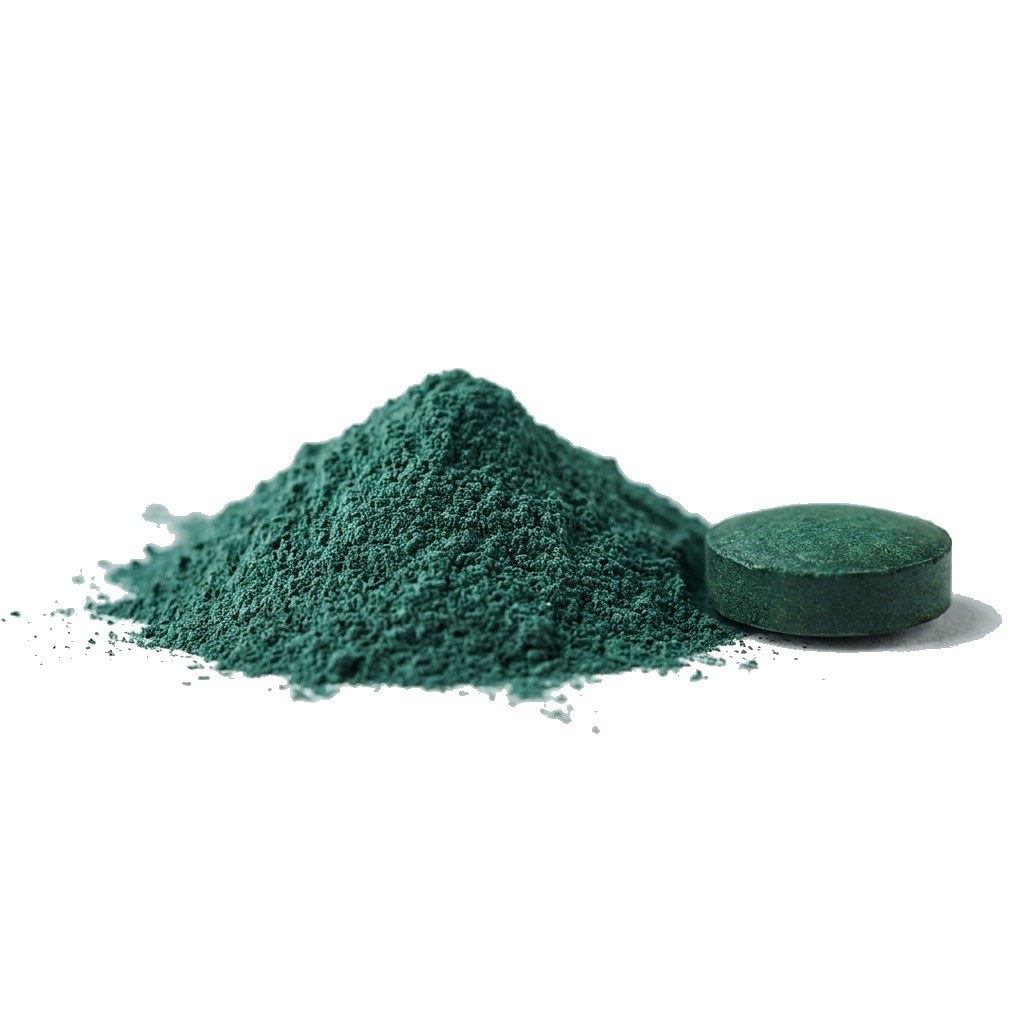
Spirulina · Arthrospira platensis
Herbs & Plants
Spirulina
Arthrospira platensis
Famous for coloring flamingos pink, and studied by NASA as a food for long space missions.
Benefits
spirulina contains a high proportion of protein, including several essential amino acids, making it useful for smoothies and plant-based diets
iron, protein, and B vitamins contribute to oxygen transport and normal energy metabolism
spirulina's antioxidant compounds help protect the parts of the cell that make energy
spirulina’s proteins, polysaccharides, and antioxidant compounds help support the body’s normal immune defenses
They will see the photograph and what it helps with.
Why they work
provides amino acids needed for muscles, enzymes, connective tissue, and daily repair
the blue pigment associated with spirulina’s antioxidant and cellular-protection activity
phycocyanin and spirulina's polysaccharides neutralize free radicals, protect mitochondrial membranes, and raise the cell's own protective enzymes
contributes to hemoglobin formation and oxygen transport
complex carbohydrates that support spirulina’s nutritional and immune-support profile
How to use it for the specific effect
add 1 teaspoon to a smoothie, juice, yogurt, or savory dressing; increase gradually according to tolerance
use spirulina earlier in the day in a smoothie or other food, especially when the diet is low in protein or iron-rich foods
add spirulina to smoothies, sauces, or dressings; use it consistently in small amounts rather than taking a large amount at once
use a tested spirulina powder or tablet according to the product label as part of a varied diet
Key active compounds
blue antioxidant pigment that gives spirulina its distinctive color
nutritional building blocks for muscles, enzymes, and tissue maintenance
mineral involved in oxygen transport and energy production
complex compounds that contribute to spirulina’s nutritional profile
antioxidant pigments that support cellular protection
Caution
spirulina can be contaminated with heavy metals, bacteria, or microcystins when poorly grown or processed.
spirulina is nutritious, but it should not be treated as a reliable vitamin B12 supplement; the B12-like compounds it contains are not a dependable source of active B12.
How we chose it to buy online
We check every product so you don't have to. A spirulina only makes our list if:
- Third-party tested — verified for heavy metals, microcystins, bacteria, and other contaminants
- Single-ingredient spirulina — no unnecessary sweeteners, colors, flavorings, or fillers
- Clearly identified species — the label should identify the product as Arthrospira platensis or Arthrospira maxima
- Transparent growing location — the company should disclose where and how the spirulina was cultivated
If no product meets these standards, we don't list one. No exceptions for affiliates.
See our picks
Some of these are affiliate links. If you buy through one we may earn a commission, at no extra cost to you.