sana › Herbs & Plants › Myrrh
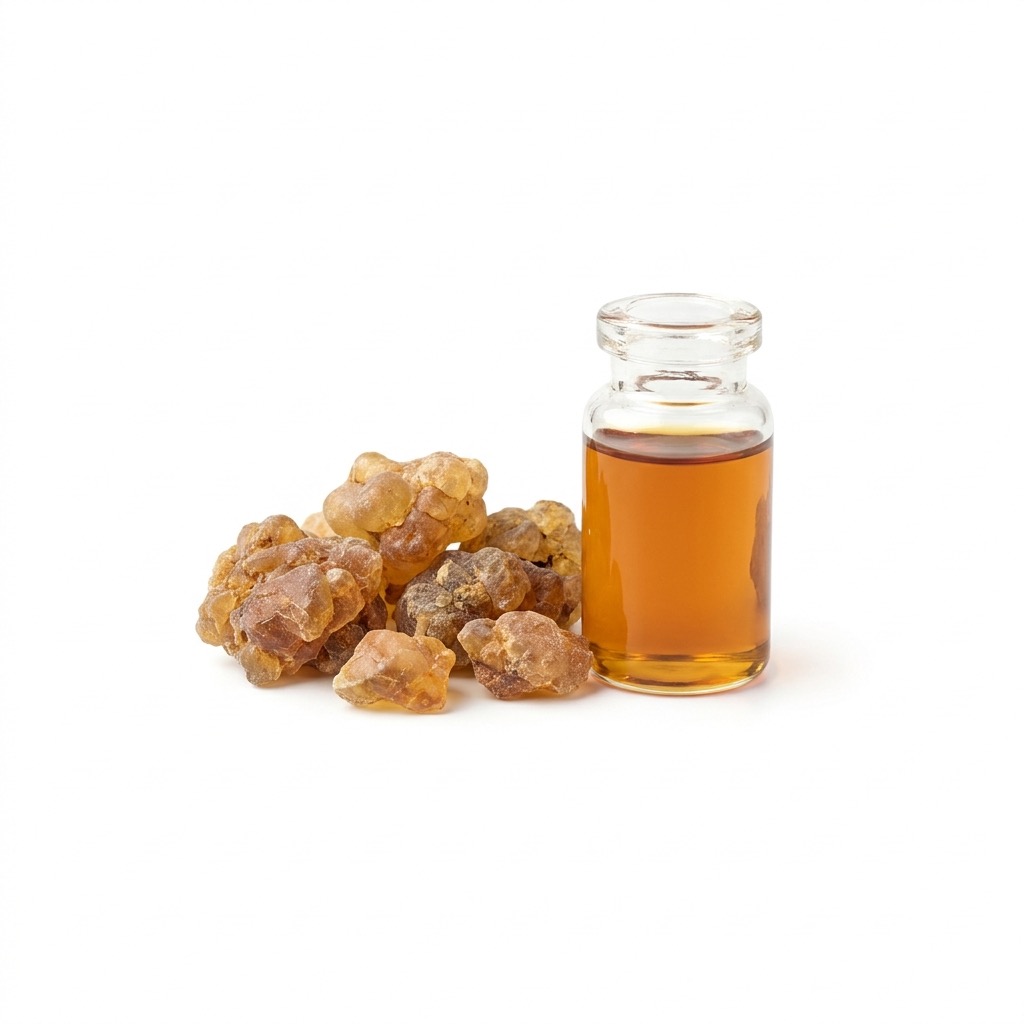
Myrrh · Commiphora myrrha
Herbs & Plants
Myrrh
Commiphora myrrha
For over two thousand years myrrh was used to clean battlefield wounds and ease pain, and it remained a primary medicine until morphine was isolated in 1803.
Benefits
myrrh resin's aromatic compounds help maintain a clean-feeling mouth and support the care of irritated oral surfaces
properly diluted myrrh preparations are traditionally used to cleanse minor surface irritation, and the resin helps protect and condition intact, dry skin
myrrh has a long history of traditional use as a bitter aromatic resin after meals
They will see the photograph and what it helps with.
Why they work
aromatic resin compounds that contribute to myrrh's characteristic scent and surface-cleansing activity
volatile compounds that are antimicrobial and mildly numbing, which is why myrrh has been the traditional answer to mouth and gum problems — it cleans and soothes at once
contribute to the resin's protective, astringent, and skin-conditioning qualities
water-soluble components that give myrrh preparations their thicker texture and contribute to their soothing surface effect
stimulate taste receptors involved in normal digestive secretions and explain myrrh's traditional after-meal use
How to use it for the specific effect
use a properly formulated myrrh mouth rinse or diluted tincture according to its label, and spit rather than swallow
apply a properly diluted myrrh preparation or finished product to intact skin
use a diffuser or a properly diluted topical preparation rather than applying essential oil directly
choose a clearly measured, food-labeled preparation rather than chewing raw resin or swallowing essential oil
Key active compounds
aromatic furanosesquiterpenes associated with myrrh's characteristic fragrance
sesquiterpenes contributing to the resin's aromatic profile
compounds supporting myrrh's protective and astringent properties
water-soluble components contributing to the resin's texture and topical feel
Caution
myrrh may stimulate the uterus, so avoid medicinal-dose preparations, concentrated extracts and essential oil while pregnant.
concentrated myrrh may affect thyroid-related pathways, so avoid internal medicinal use if you take medication for your thyroid.
How we chose it to buy online
We check every product so you don't have to. A myrrh only makes our list if:
- Correct botanical identity — clearly identifies Commiphora myrrha or another specified Commiphora species
- Clear preparation type — states whether the product contains raw resin, tincture, extract, essential oil, or a finished oral-care preparation
- No undisclosed fragrance ingredients — especially important for products sold as myrrh oil
- Appropriate dilution information — topical products state their dilution and intended use clearly
- Third-party tested — independently verified for identity, pesticides, heavy metals, microbial contamination, and adulteration
- Protected packaging — resin and oil are stored in sealed packaging that limits exposure to heat, light, moisture, and oxidation
If no product meets these standards, we don't list one. No exceptions for affiliates.
See our picks
Some of these are affiliate links. If you buy through one we may earn a commission, at no extra cost to you.