sana › Roots & Spices › Cumin
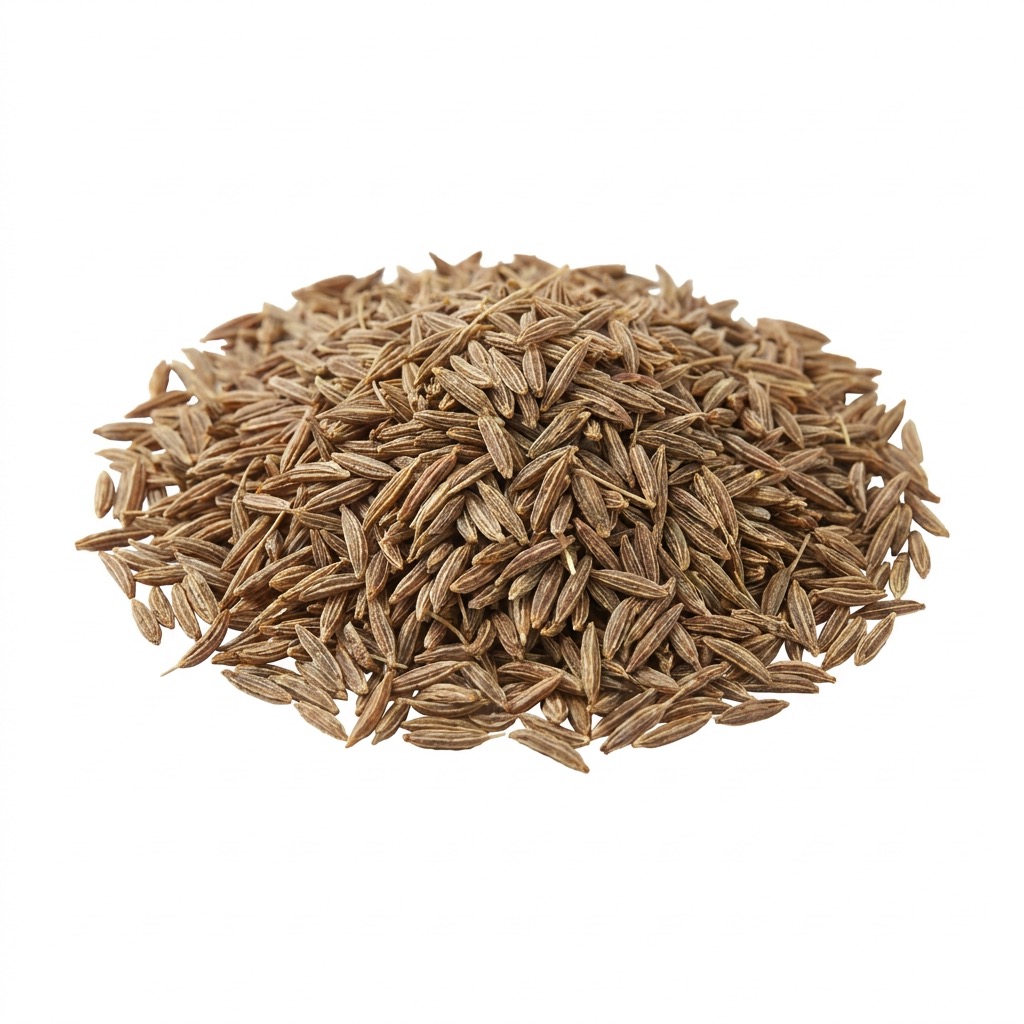
Cumin · Cuminum cyminum
Roots & Spices
Cumin
Cuminum cyminum
Cumin is the second most popular spice in the world, after black pepper. It has been found in Egyptian tombs.
Benefits
encourages gastric emptying and eases feelings of post-meal heaviness, bloating, and gas
promotes the release of pancreatic enzymes and bile to assist in breaking down fats and complex nutrients
helps maintain healthy blood glucose response and lipid profiles when used consistently alongside meals
volatile monoterpenes and flavonoids neutralize free radicals and help protect cellular membranes
cumin is one of the densest sources of iron of any spice, which is unusual for something eaten in small amounts
They will see the photograph and what it helps with.
Why they work
aromatic monoterpenes that stimulate salivary glands and trigger the secretion of bile acids and pancreatic digestive enzymes
active volatile oils help coordinate gastrointestinal smooth muscle activity, reducing transit time and intestinal gas buildup
luteolin and apigenin, plant polyphenols that modulate inflammatory signaling pathways and support metabolic enzyme activity
phenolic constituents donate hydrogen atoms to neutralize reactive oxygen species in the digestive tract
cumin carries more iron by weight than almost any other spice, and toasting the seeds does not destroy it
How to use it for the specific effect
steep 1/2 to 1 teaspoon of whole, lightly crushed cumin seeds in boiling water for 5–10 minutes to make a post-meal warm infusion
lightly toast whole seeds in cooking oil or a dry pan before grinding into dishes to activate the volatile aromatic oils
take ground cumin daily mixed into food, or use a standardized cumin seed extract with meals
Key active compounds
the primary aromatic constituent responsible for cumin's characteristic scent and enzyme-stimulating properties
volatile monoterpenes contributing to antimicrobial and digestive benefits
dietary flavonoids that provide antioxidant and anti-inflammatory cellular defense
present at a higher level by weight than in almost any other spice
small amounts of oleic and linoleic acids supporting nutrient absorption
Caution
avoid if allergic to plants in the carrot family, such as fennel, celery, coriander, or anise.
How we chose it to buy online
We check every product so you don't have to. A cumin only makes our list if:
- 100% Cuminum cyminum — authenticated single-origin seed, not blended with black cumin or caraway, which are different plants sold under similar names
- Whole seed rather than ground — whole seeds hold their volatile cuminaldehyde oils, which degrade quickly once the seed is ground
- Certified organic and non-irradiated — free from chemical fumigation, radiation, and synthetic pesticide residues
- High essential oil content — a stated minimum volatile oil content, which indicates freshness and harvest quality
- Third-party tested — tested for purity, heavy metals, mold, aflatoxins, and foreign matter
If no product meets these standards, we don't list one. No exceptions for affiliates.
See our picks
Some of these are affiliate links. If you buy through one we may earn a commission, at no extra cost to you.