sana › Herbs & Plants › Moringa
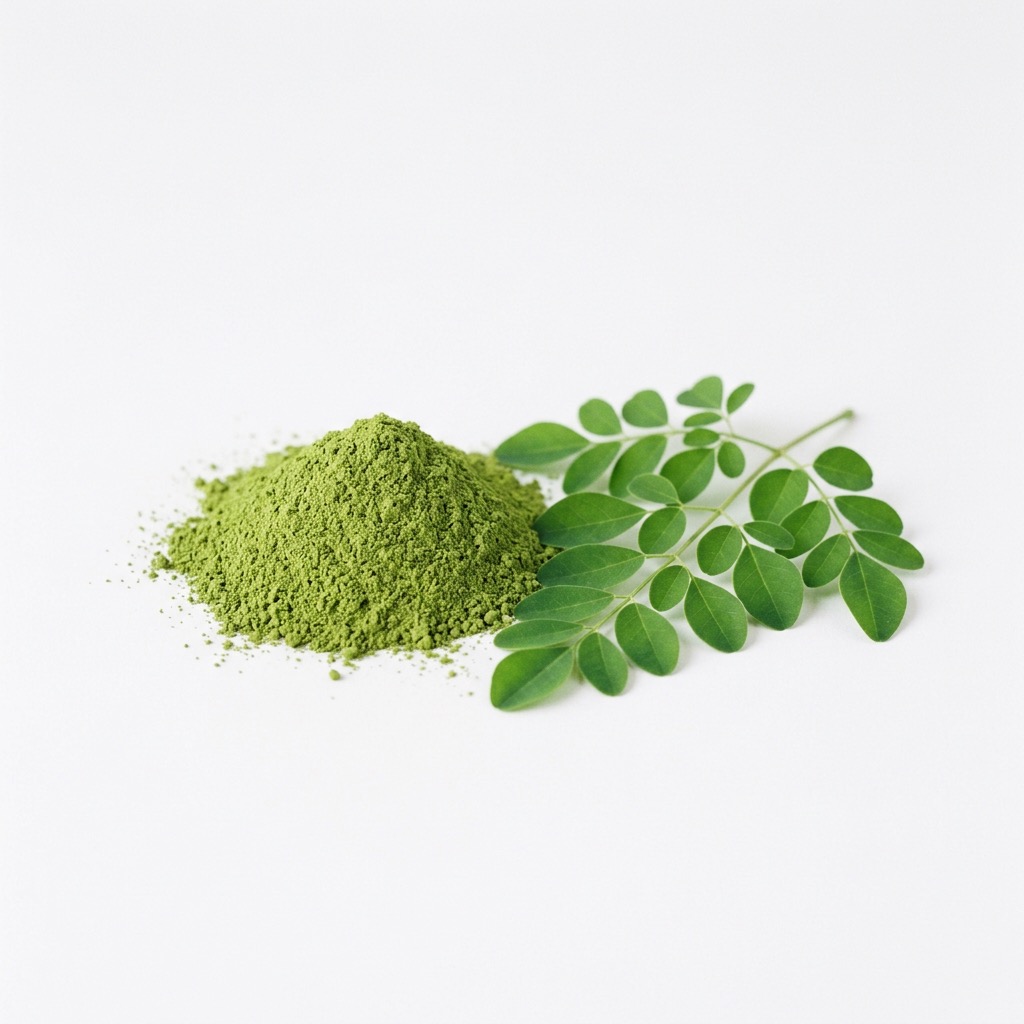
Moringa · Moringa oleifera
Herbs & Plants
Moringa
Moringa oleifera
Dried moringa leaves have more iron than spinach, more calcium than milk, and more vitamin C than oranges by weight.
Benefits
moringa leaves contain protein, iron, calcium, potassium, beta-carotene, and vitamins that complement diets lacking leafy vegetables
moringa leaf compounds help moderate the rise in glucose after carbohydrate-rich foods
moringa leaf is traditionally used as a galactagogue by breastfeeding mothers, particularly in parts of Asia and Africa
moringa’s polyphenols and isothiocyanates help regulate oxidative stress and inflammatory signaling
They will see the photograph and what it helps with.
Why they work
drying the leaves concentrates their protein, minerals, and plant pigments into a small serving
influence carbohydrate absorption and the body’s glucose response after eating
compounds in moringa leaf associated with stimulating prolactin production or directly activating mammary secretory pathways
moringa leaf provides nutrients and plant compounds associated with milk production in traditional postpartum practice
bioactive compounds that influence antioxidant defenses and inflammatory pathways
How to use it for the specific effect
mix ½–1 teaspoon of moringa leaf powder into smoothies, soups, sauces, eggs, or cooked vegetables; increase gradually to 1 tablespoon if well tolerated
add 1 teaspoon of leaf powder to food or a drink with a carbohydrate-rich meal
use moringa leaf powder or capsules in the serving recommended by the product
use moringa leaf regularly in food rather than taking a large amount at once
Key active compounds
a polyphenol involved in glucose metabolism and antioxidant protection
a phytosterol found in moringa associated with its traditional use for breast-milk production
a flavonoid that supports cellular antioxidant defenses and inflammatory balance
sulfur-containing compounds that influence the body’s protective and inflammatory pathways
a plant pigment the body converts into vitamin A as needed
provide amino acids, iron, calcium, potassium, and other nutritional building blocks
Caution
moringa root, bark and flowers are not used in pregnancy; the leaf is the part that goes in food.
moringa can affect blood sugar and blood pressure; monitor its use carefully when taking medications for either one.
How we chose it to buy online
We check every product so you don't have to. A moringa only makes our list if:
- Leaf only — choose products made from Moringa oleifera leaves, not the root, bark, or unspecified parts
- Deep green color — fresh leaf powder should be green rather than brown or yellow, which can indicate age or poor processing
- Says how it was dried — the brand names its drying method, such as shade-dried, rather than leaving it out
- Single ingredient — no added sweeteners, artificial colors, fillers, or proprietary blends
- Third-party tested — verified for heavy metals, pesticides, bacteria, mold, and other contaminants
- Transparent origin — the producer should identify where the moringa was grown and where the finished product was tested
If no product meets these standards, we don't list one. No exceptions for affiliates.
See our picks
Some of these are affiliate links. If you buy through one we may earn a commission, at no extra cost to you.