sana › Herbs & Plants › Ginkgo
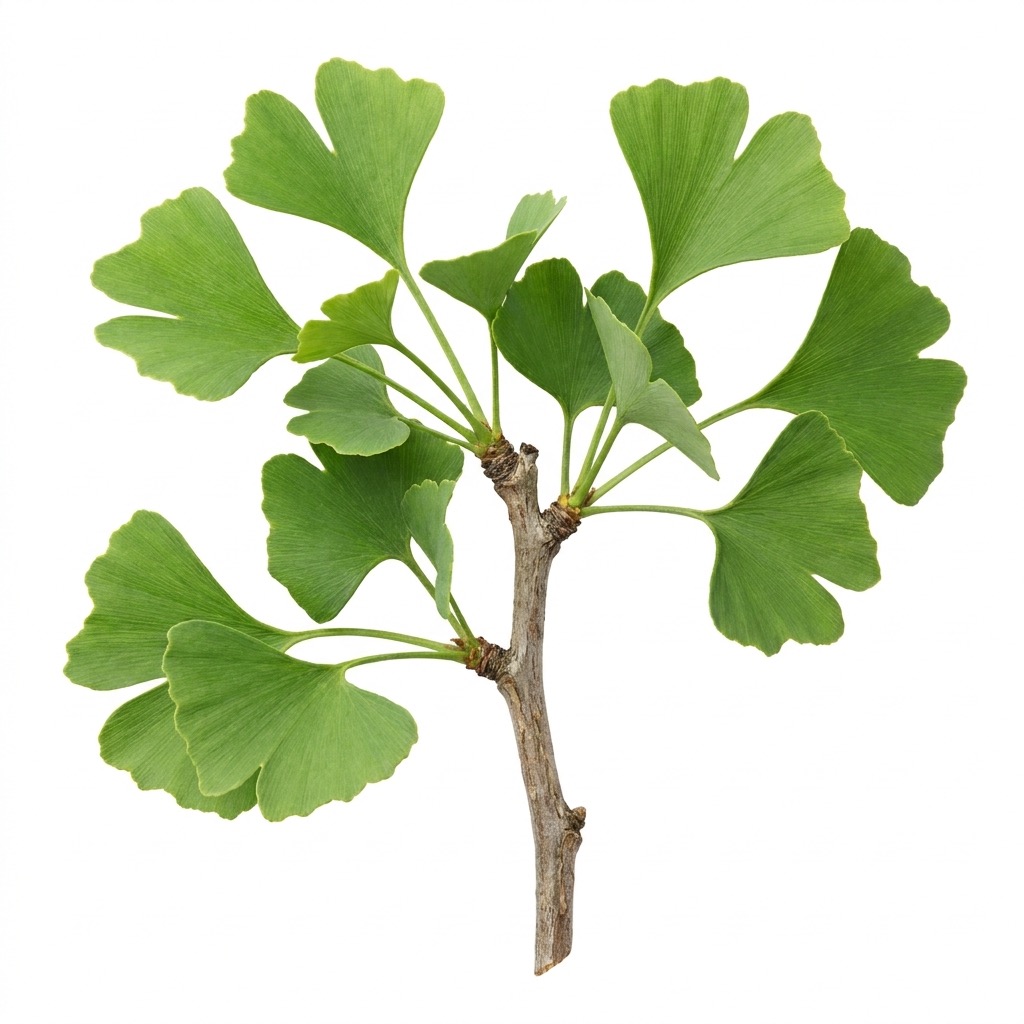
Ginkgo · Ginkgo biloba
Herbs & Plants
Ginkgo
Ginkgo biloba
The ginkgo is a living fossil that predates the dinosaurs by millions of years, and it can drop every one of its bright yellow leaves in a single coordinated day.
Benefits
ginkgo leaf compounds help maintain blood flow through small blood vessels
its flavonoids and terpene lactones help protect nerve cells from oxidative stress and support normal brain circulation
healthy microcirculation supports tissues with high oxygen demands, including the eyes and inner ear
ginkgo leaf compounds help defend cells against oxidative damage
They will see the photograph and what it helps with.
Why they work
antioxidant compounds that help protect blood vessels and nerve cells from oxidative stress
including ginkgolides and bilobalide; these compounds influence platelet-activating-factor signaling and support healthy microcirculation
ginkgo's active compounds help maintain circulation through small vessels, including those supplying the brain and peripheral tissues
bilobalide helps support cellular energy pathways and protects nerve cells from oxidative strain
How to use it for the specific effect
use a standardized ginkgo leaf extract according to the product's serving instructions
take the extract consistently with food rather than exceeding the labeled serving
do not use raw ginkgo leaves or homemade preparations; concentrated leaf extracts are easier to identify and measure
Key active compounds
terpene lactones involved in platelet-activating-factor signaling and circulation
a terpene lactone associated with neural and cellular antioxidant protection
flavonoid compounds contributing to ginkgo's antioxidant activity
polyphenols that support vascular antioxidant defenses
Caution
never eat raw ginkgo seeds or use homemade preparations from the leaves, seeds, or fruit, because they can contain toxic compounds.
poorly processed products can contain ginkgotoxin, which acts on the nervous system; this is the reason to buy an extract that states its standardization rather than a cheap one that does not.
How we chose it to buy online
We check every product so you don't have to. A ginkgo only makes our list if:
- Correct plant part — made from Ginkgo biloba leaves, not seeds or unspecified plant material
- Standardized extract — clearly states approximately 24% flavone glycosides and 6% terpene lactones
- Low ginkgolic acids — tested to confirm that these potentially irritating compounds remain at very low levels
- Transparent extraction method — identifies the extract ratio, solvent, and standardization process
- Third-party tested — independently verified for identity, active-compound levels, heavy metals, pesticides, microbial contamination, and adulteration
- No proprietary blend — lists the exact amount of ginkgo extract per serving
If no product meets these standards, we don't list one. No exceptions for affiliates.
See our picks
Some of these are affiliate links. If you buy through one we may earn a commission, at no extra cost to you.