sana › Herbs & Plants › Green Tea
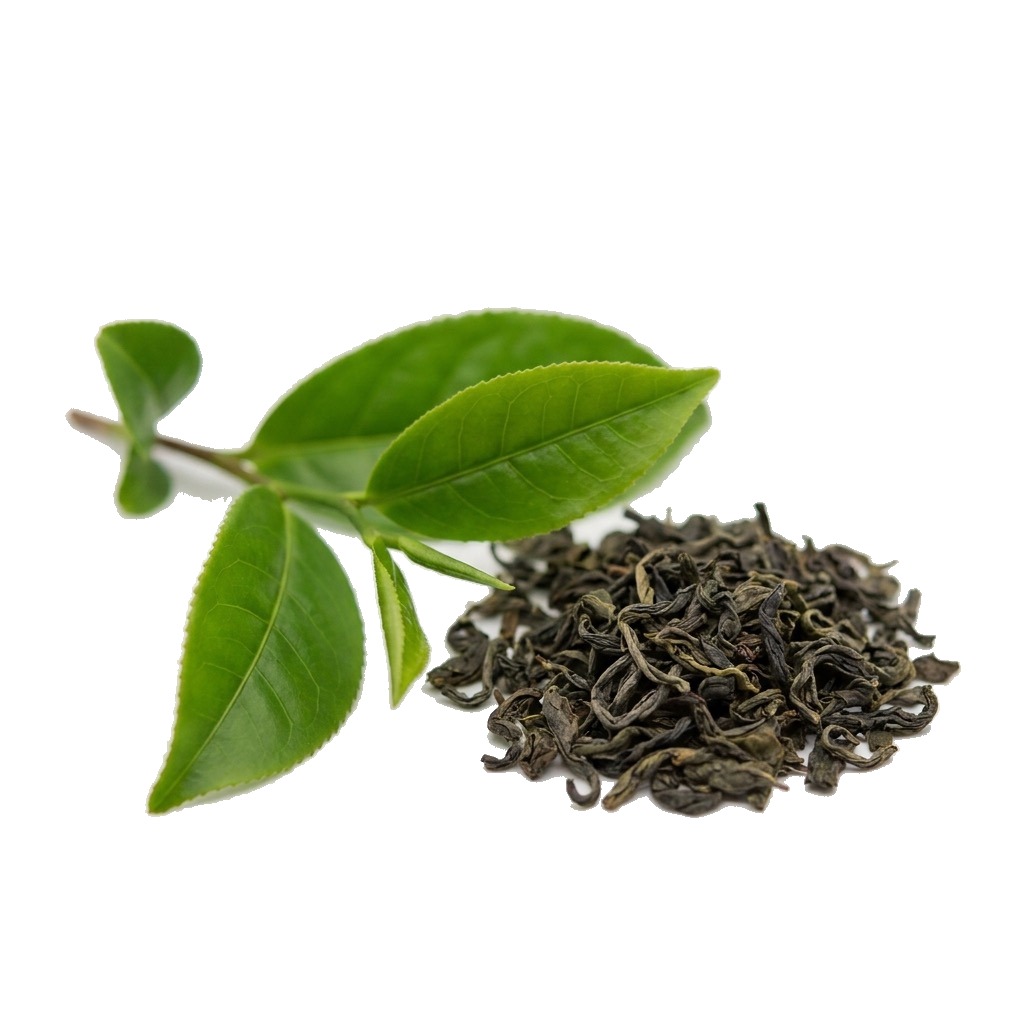
Green Tea · Camellia sinensis
Herbs & Plants
Green Tea
Camellia sinensis
Green, black, white and oolong tea all come from the same plant. Their differences come from how the leaves are processed after harvesting.
Benefits
caffeine increases wakefulness, while L-theanine contributes to a calmer, more sustained form of mental attention
tea polyphenols help maintain healthy blood-vessel function and circulation
caffeine and catechins influence how the body uses energy, without acting as a substitute for nutrition or exercise
catechins help protect cells from oxidative stress
They will see the photograph and what it helps with.
Why they work
blocks adenosine signaling in the brain, reducing feelings of sleepiness and increasing alertness
an amino acid that influences neurotransmitter activity and helps create a more relaxed state of attention
the main catechin in green tea; supports vascular, metabolic, and cellular signaling pathways
plant compounds that interact with oxidative and inflammatory pathways throughout the body
How to use it for the specific effect
drink one cup earlier in the day, especially if caffeine affects your sleep
drink green tea with food or choose a lower-caffeine preparation
steep loose leaves or a tea bag in hot water for several minutes without boiling the leaves
prepare it normally, allow it to cool, and refrigerate it promptly; avoid turning it into a high-sugar beverage
Key active compounds
the principal catechin associated with green tea's cellular and metabolic activity
including epicatechin, epigallocatechin, and epicatechin gallate
the primary stimulant responsible for increased alertness
an amino acid naturally concentrated in tea leaves
contributes to green tea's color, flavor, and nutritional profile
Caution
green tea can reduce the absorption of iron from plant foods, so leave a gap between green tea and iron-rich meals or iron supplements if iron status is a concern.
high-dose green-tea extract, particularly when taken fasting, has been linked to liver injury; do not treat concentrated extracts like ordinary tea.
How we chose it to buy online
We check every product so you don't have to. A green tea only makes our list if:
- Correct botanical identity — clearly labeled as Camellia sinensis leaves
- Transparent caffeine information — states whether the product is caffeinated or decaffeinated
- Whole-leaf or clearly identified tea material — avoids vague “green tea complex” blends with undisclosed quantities
- Fresh, protected packaging — sealed packaging that limits exposure to light, moisture, heat, and oxygen
- Extract transparency — concentrated products disclose their catechin or EGCG content and give clear serving instructions
- Third-party tested — independently tested for pesticides, heavy metals, microbial contamination, and undeclared ingredients
If no product meets these standards, we don't list one. No exceptions for affiliates.
See our picks
Some of these are affiliate links. If you buy through one we may earn a commission, at no extra cost to you.