sana › Herbs & Plants › Lemongrass
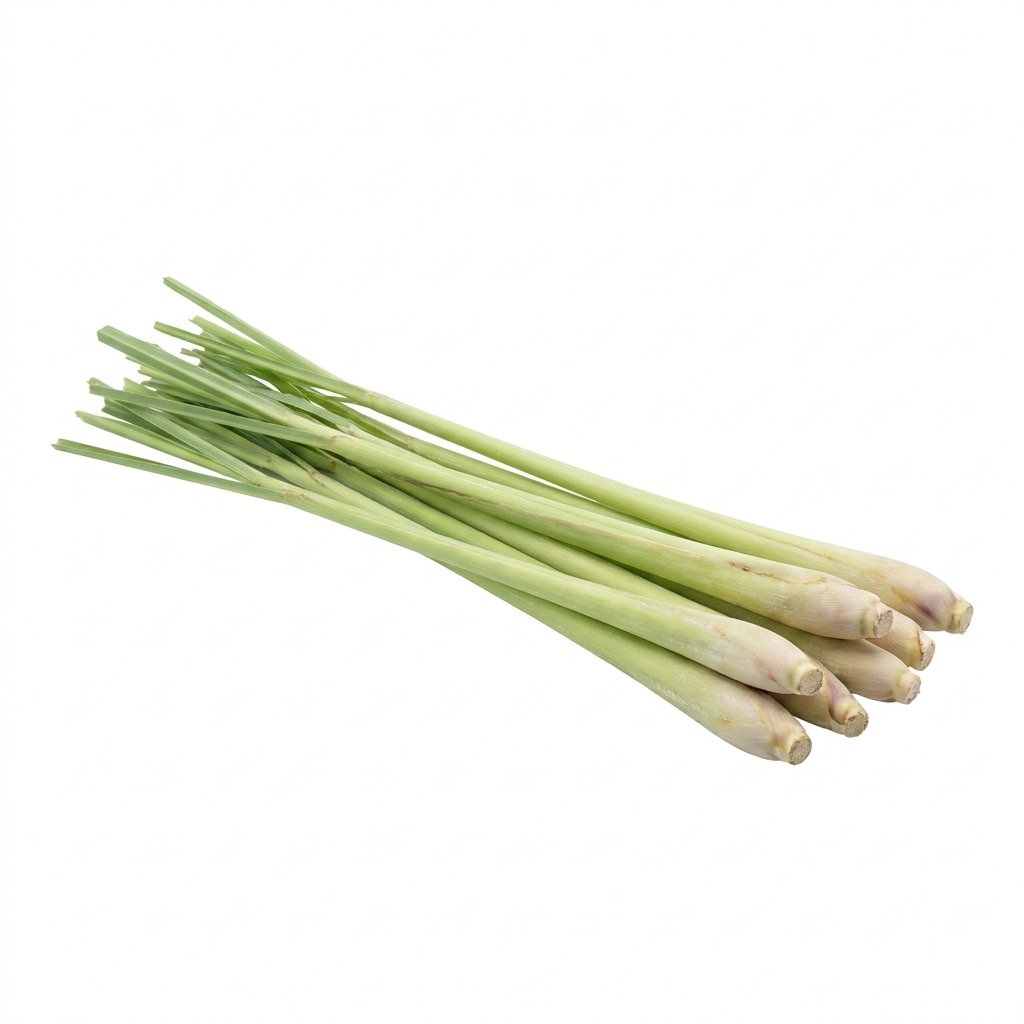
Lemongrass · Cymbopogon citratus
Herbs & Plants
Lemongrass
Cymbopogon citratus
In Jamaica and the Caribbean it is called fever grass, from the tradition of brewing it into tea to break a high fever.
Benefits
lemongrass tea is traditionally used after meals for gas, bloating, and a heavy or unsettled stomach
its fresh citrus aroma and calming tea make it useful during periods of tension or difficulty winding down
lemongrass contains aromatic compounds and polyphenols that help protect cells from oxidative stress
its naturally aromatic oils give lemongrass tea a clean, citrus-like quality after meals
the citral and geraniol that give lemongrass its lemon scent are the same compounds insects move away from, which is why the oil is used on skin and in the air
They will see the photograph and what it helps with.
Why they work
the compound that gives lemongrass its lemon scent, and it also relaxes the muscle in the gut wall, which is what settles cramping and gas after a meal
fragrant plant compounds behind lemongrass's fresh aroma and antioxidant profile; geraniol is also one of the scents mosquitoes move away from
protective plant compounds that support the body’s response to oxidative stress
How to use it for the specific effect
steep 1–2 fresh stalks, or 1–2 teaspoons of dried lemongrass, in hot water for 5–10 minutes; drink after meals. Bruise a fresh stalk with the flat of a knife first to crack the oil glands — skip that and you get scented hot water.
prepare lemongrass tea in the evening or combine it with another calming herbal tea
use fresh or dried lemongrass in teas, soups, curries, broths, and other meals
allow the tea to cool and drink it after eating; do not use concentrated essential oil as a mouth rinse
use a ready-diluted lemongrass oil product on exposed skin, or burn it in a diffuser or candle; never put the undiluted essential oil straight onto skin
Key active compounds
the primary lemon-scented compound in lemongrass
an aromatic plant compound contributing to lemongrass’s fragrance
a citrus-scented compound found in smaller amounts
antioxidant compounds found in the leaves and stalks
Caution
never swallow lemongrass essential oil or apply it directly to the skin; essential oils must not be used internally.
diluted lemongrass essential oil can still irritate sensitive skin; patch-test any properly diluted topical product first.
How we chose it to buy online
We check every product so you don't have to. A lemongrass only makes our list if:
- Whole herb or clearly identified extract — the product should specify whether it contains fresh stalk, dried leaves, tea, or extract
- Single-ingredient tea — avoid unnecessary sweeteners, artificial flavors, colors, or unclear blends
- Fresh aromatic quality — dried lemongrass should retain a noticeable citrus fragrance rather than smelling stale or dusty
- Botanical identification — the label should identify Cymbopogon citratus or clearly state the lemongrass species
- Third-party tested — concentrated extracts should be tested for pesticides, heavy metals, contaminants, and accurate ingredient amounts
- Steam-distilled oil, not fragrance oil — the bottle should say lemongrass essential oil; fragrance oil and perfume oil are synthetic scent, not the plant
- Species named on the oil bottle — a bottle that only says lemongrass tells you nothing about which Cymbopogon is inside
- Dark glass and a batch number — citral fades in light, and a batch number is what lets the maker tell you what is actually in that bottle
- Ready to use on skin — buy it already blended with a carrier oil, since neat essential oil should never go on skin
If no product meets these standards, we don't list one. No exceptions for affiliates.
See our picks
Some of these are affiliate links. If you buy through one we may earn a commission, at no extra cost to you.