sana › Herbs & Plants › Aloe Vera
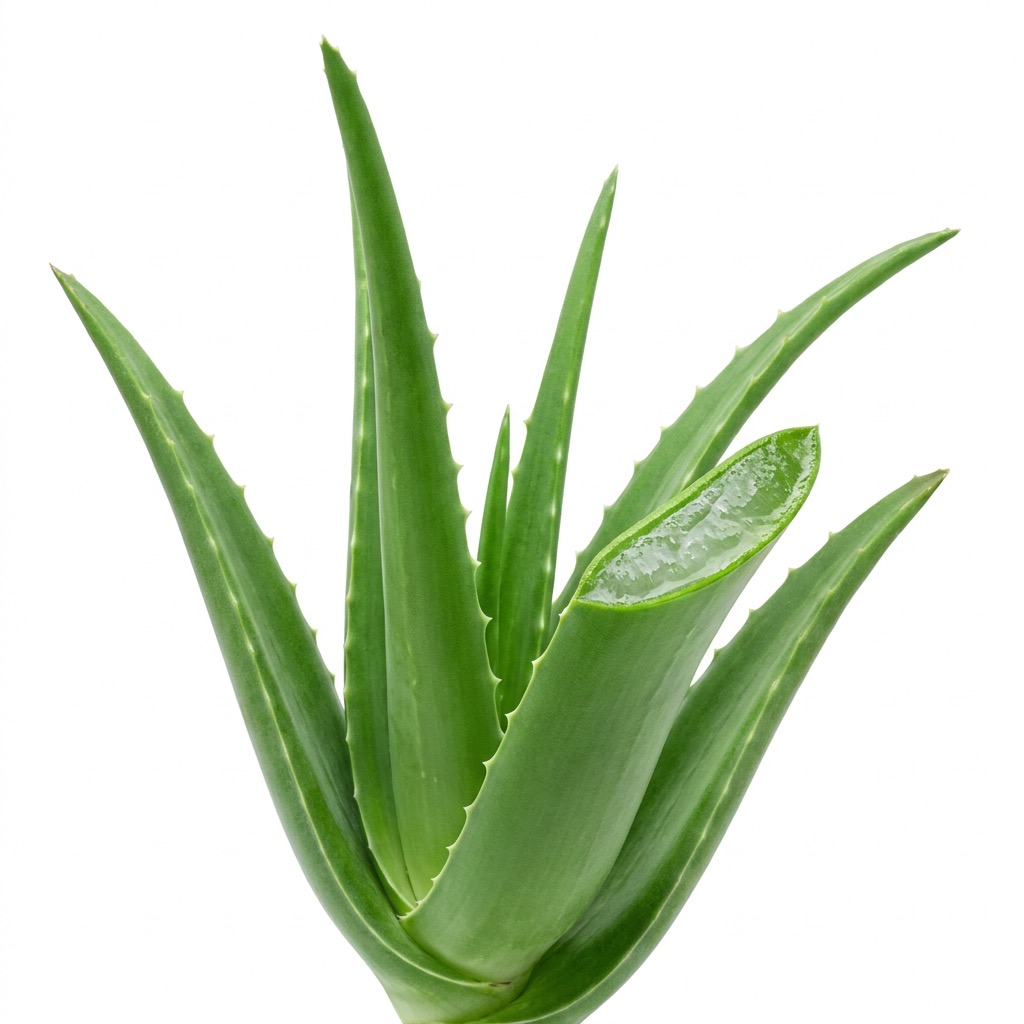
Aloe Vera · Aloe vera
Herbs & Plants
Aloe Vera
Aloe vera
Aloe is not a cactus. It is a succulent, and its closest relatives are lilies. It has been called the plant of immortality for centuries, and it is one of the oldest remedies still in everyday use.
Benefits
cools skin and reduces sting while it heals
including mild eczema-related dryness
purified inner-leaf gel is thick and slippery, and coats as it goes down
They will see the photograph and what it helps with.
Why they work
polysaccharides like acemannan form a protective layer that slows water loss from damaged skin
aloe’s gel texture and plant compounds help soothe redness and discomfort on the skin’s surface
vitamins A, C, and E provide antioxidant support while skin heals
aloe’s polysaccharides hold water, and that is what makes the gel slippery enough to coat rather than run
How to use it for the specific effect
apply pure aloe gel to clean, cooled skin, 2–3 times a day
apply a thin layer right after bathing, while skin is still damp
take a small amount of purified, decolorized aloe juice or syrup as directed by the product; choose one made specifically for internal use
Key active compounds
hydration and skin-barrier support
water-binding compounds that give aloe its soothing gel properties
antioxidant support while skin recovers
Caution
Avoid oral use during pregnancy, and avoid daily long-term internal use.
How we chose it to buy online
We check every product so you don't have to. An aloe vera only makes our list if:
- Topical use — aloe vera must be the first ingredient listed
- No added alcohol — alcohol dries and counteracts the soothing effect
- No synthetic fragrance — fragrance can irritate sunburned or sensitive skin
- Internal use — only “whole-leaf decolorized” or “inner-leaf only” products
If no product meets these standards, we don't list one. No exceptions for affiliates.
See our picks
Some of these are affiliate links. If you buy through one we may earn a commission, at no extra cost to you.
Where It Comes From
Aloe vera is native to the southeastern Arabian Peninsula, specifically the Hajar Mountains in Oman and the United Arab Emirates. Over thousands of years, trade and cultivation spread the resilient succulent across North Africa, the Mediterranean, and eventually worldwide.