sana › Herbs & Plants › Peppermint
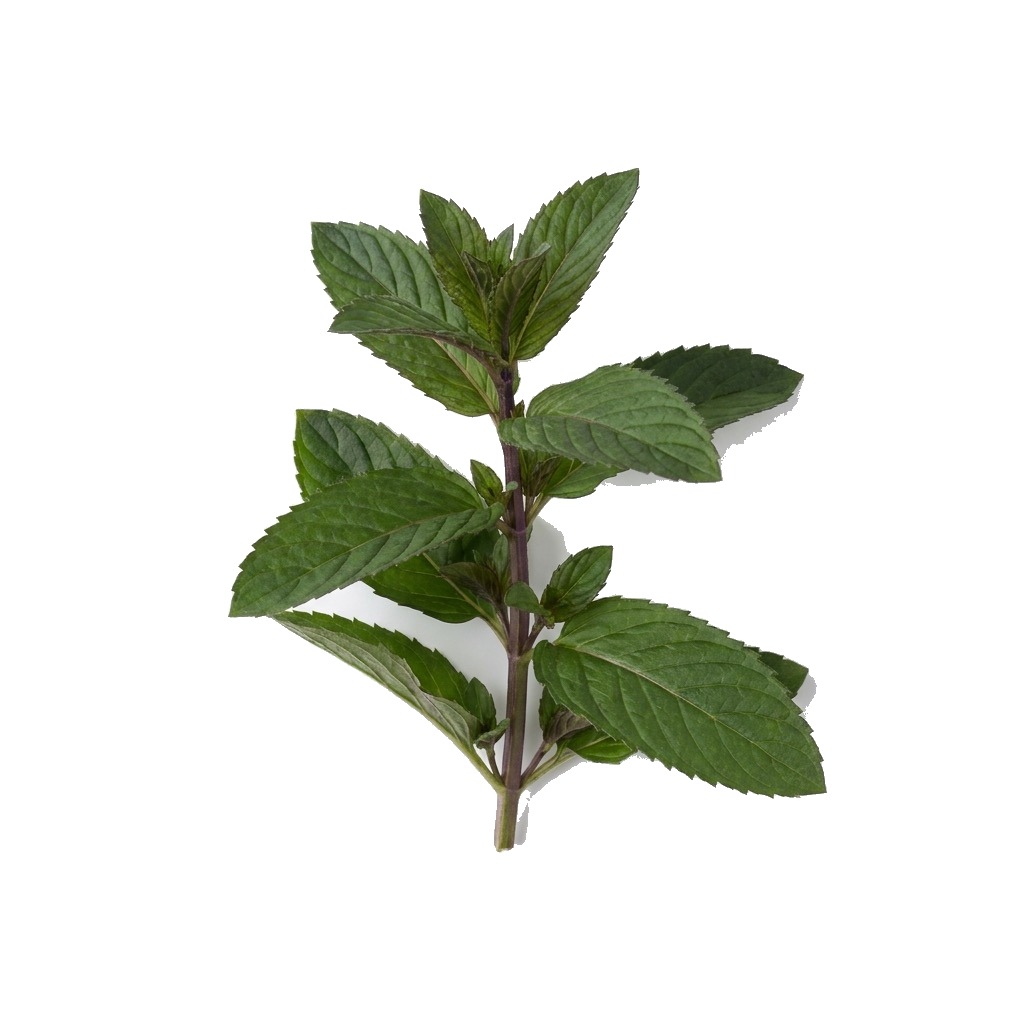
Peppermint · Mentha × piperita
Herbs & Plants
Peppermint
Mentha × piperita
Peppermint is not a wild plant; it is a natural hybrid of watermint and spearmint, first recorded in England in the 1700s.
Benefits
its aromatic compounds help relax intestinal smooth muscle and ease occasional gas, cramping, and post-meal discomfort
menthol activates cold-sensitive receptors, creating a cooling sensation on the skin and in the mouth
menthol creates a perception of easier airflow through its cooling effect, without physically opening the airways
its volatile oils provide a clean flavor and help limit the growth of some odor-producing surface microorganisms
They will see the photograph and what it helps with.
Why they work
peppermint's menthol and other volatile compounds can relax intestinal smooth muscle, helping ease cramping and digestive discomfort. That same relaxing effect can reduce the tone of the lower esophageal sphincter in some people, allowing stomach contents to move upward and worsening reflux-type burning
the principal cooling compound; it activates cold-sensitive receptors in the skin, mouth, and airways to create a cooling sensation
an aromatic ketone that contributes to peppermint's flavor and digestive activity
antioxidant compounds that help protect cells from oxidative stress
aromatic compounds that contribute to peppermint's sensory, digestive, and surface-cleansing properties
How to use it for the specific effect
drink peppermint leaf tea after a meal or use a properly prepared peppermint product according to its instructions
add fresh leaves to water, tea, fruit, or salads
use peppermint as a tea, fresh herb, or ingredient in a properly formulated oral-care product
use only a diluted peppermint preparation or a finished product formulated for the skin; never apply peppermint essential oil directly
Key active compounds
the primary compound responsible for peppermint's cooling sensation
a volatile compound contributing to peppermint's aroma and flavor
a polyphenol supporting antioxidant activity
plant compounds contributing to peppermint's antioxidant profile
naturally occurring plant compounds found in peppermint leaves
Caution
peppermint can relax the lower esophageal sphincter in some people and may worsen burning or reflux-type discomfort; stop using it if those symptoms appear.
avoid applying peppermint oil near the face or nose of young children because menthol can interfere with normal breathing sensations.
How we chose it to buy online
We check every product so you don't have to. A peppermint only makes our list if:
- Correct botanical identity — clearly labeled as Mentha × piperita rather than generic mint or an unspecified mint blend
- Clear plant part — identifies whether the product contains peppermint leaves, a leaf extract, or essential oil
- Transparent composition — provides information about menthol and total volatile-oil content when concentrated extracts are used
- No undisclosed additives — avoids artificial fragrance, unnecessary fillers, and unspecified flavoring oils
- Third-party tested — independently verified for identity, pesticides, heavy metals, microbial contamination, and adulteration
- Appropriate packaging — essential oil is stored in a tightly sealed, dark glass bottle to reduce oxidation and protect its volatile compounds
If no product meets these standards, we don't list one. No exceptions for affiliates.
See our picks
Some of these are affiliate links. If you buy through one we may earn a commission, at no extra cost to you.