sana › Herbs & Plants › Rooibos
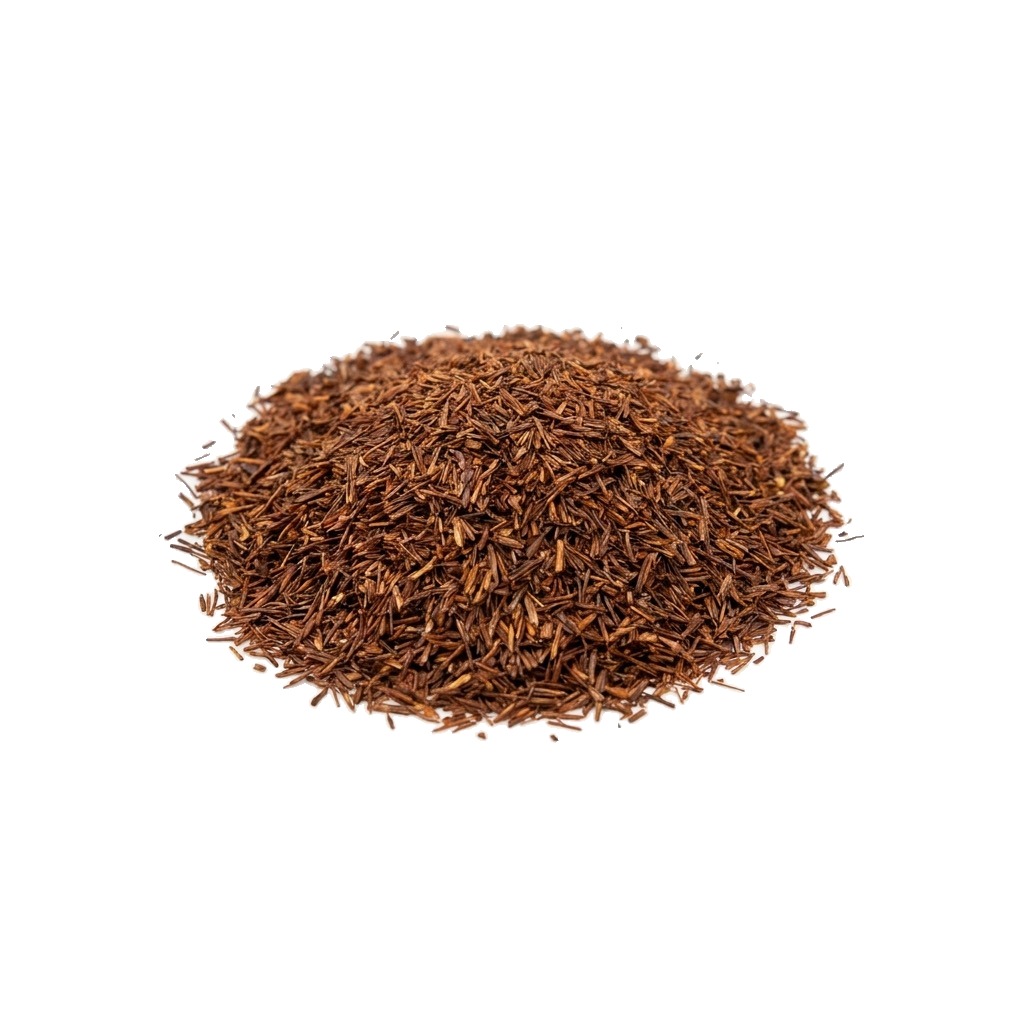
Rooibos · Aspalathus linearis
Herbs & Plants
Rooibos
Aspalathus linearis
A naturally caffeine-free herbal tea with a soft, slightly sweet taste — rooibos comes from the needle-like leaves of Aspalathus linearis, a shrub native to South Africa.
Benefits
its mild, low-tannin nature makes it a soothing drink after meals that will not upset a sensitive stomach
contains unique plant substances that help protect everyday cells from normal wear and tear
free from stimulating caffeine, making it suitable to drink before bed without disrupting rest
They will see the photograph and what it helps with.
Why they work
unique plant compounds that help the body manage everyday cellular stress
unlike black or green tea, rooibos contains very little astringent tannin, so it does not irritate the stomach lining or block iron absorption as easily
plant pigments that help calm everyday tissue irritation
How to use it for the specific effect
steep loose leaves or a bag in freshly boiled water for 5 to 7 minutes; it does not turn bitter if left longer
steep in cold water in the refrigerator overnight for a smooth, naturally sweet iced tea
drink a cup following lunch or dinner as a gentle digestive aid
Key active compounds
a rare polyphenol characteristic of the rooibos plant
a related protective plant compound
a widely distributed plant antioxidant
a soothing yellow plant flavonoid
Caution
always check the ingredient list for added black tea, green tea, or mate if you must avoid caffeine
How we chose it to buy online
We check every product so you don't have to. A rooibos only makes our list if:
- Correct species named — the label must explicitly name Aspalathus linearis
- Red or green type specified — red rooibos is traditionally fermented for a rich, sweet taste; unfermented green rooibos has a lighter, grassier flavor and higher aspalathin levels
- Single-ingredient leaves — choose plain rooibos without artificial flavorings, sweeteners, or caffeinated tea leaves mixed in
- Sealed, light-protective packaging — keeps the delicate leaves dry and preserves their fresh aroma
If no product meets these standards, we don't list one. No exceptions for affiliates.
See our picks
Some of these are affiliate links. If you buy through one we may earn a commission, at no extra cost to you.