sana › Herbs & Plants › Lavender
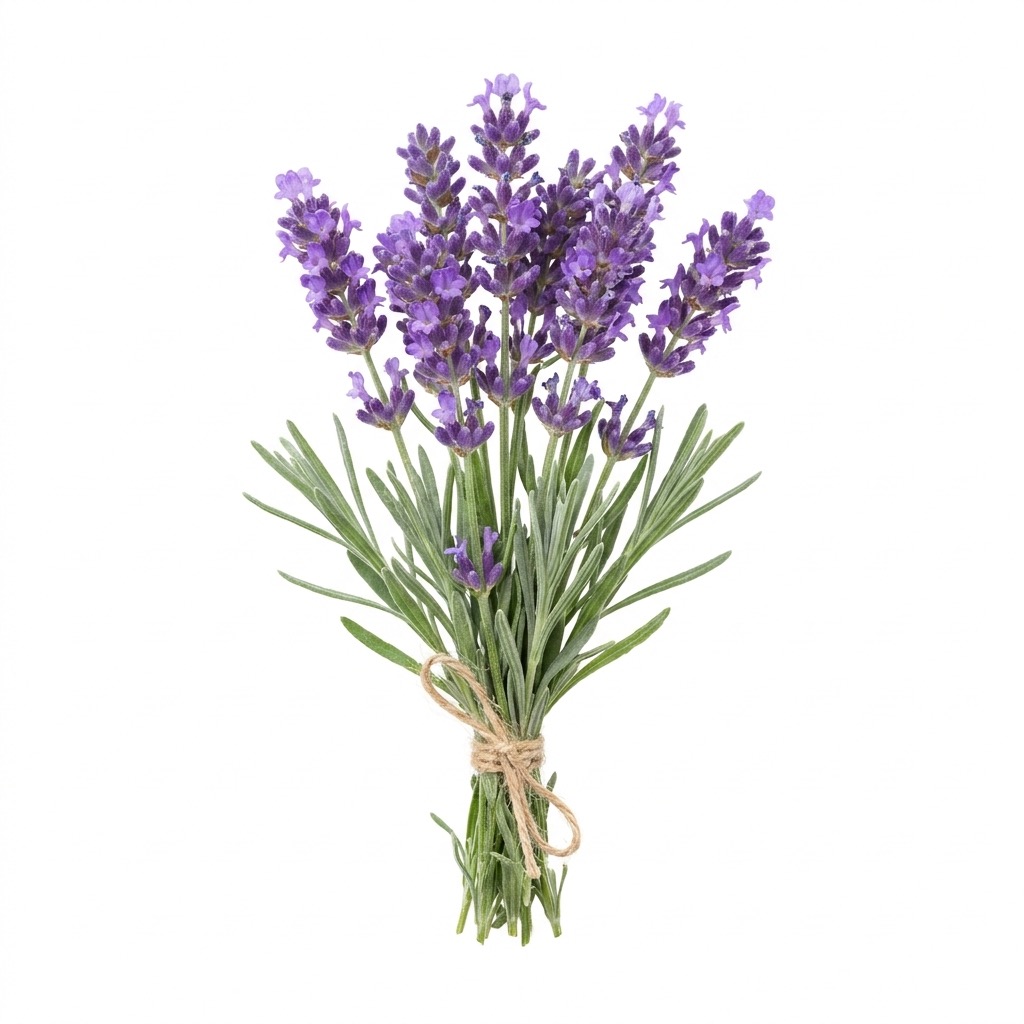
Lavender · Lavandula angustifolia
Herbs & Plants
Lavender
Lavandula angustifolia
The Roman name comes from lavare, to wash. They put it in the bath.
Benefits
lavender's aroma helps create a calmer mental state and supports an evening wind-down routine
its volatile compounds influence sensory and nervous-system pathways associated with tension and mood
properly diluted lavender preparations provide gentle aromatic care for intact skin with occasional minor irritation
diluted lavender preparations help keep the scalp feeling fresh and conditioned
They will see the photograph and what it helps with.
Why they work
the primary aromatic alcohol in lavender; it influences olfactory and nervous-system pathways associated with relaxation
a volatile ester contributing to lavender's characteristic aroma and calming sensory effect
breathed from a diffuser or a pillow, only a small and unpredictable amount of lavender's compounds reach you. That is enough for a calmer evening, and it is not the same as taking a prepared lavender product by mouth
aromatic compounds that support lavender's fragrance and topical cleansing properties
plant compounds that contribute to lavender's antioxidant profile
How to use it for the specific effect
use lavender as an aromatic infusion, sachet, or diffuser in the evening
add dried lavender flowers or a properly formulated bath product to warm water
use a finished lavender product or properly diluted lavender preparation on intact skin
prepare a mild infusion using food-grade lavender flowers, and do not swallow lavender essential oil
Key active compounds
an aromatic compound associated with lavender's relaxing fragrance
a volatile ester contributing to its calming scent
minor aromatic compounds contributing to lavender's volatile-oil profile
plant compounds supporting antioxidant activity
Caution
lavender oil more than a year open becomes a common cause of skin rash, so replace it.
keep lavender essential oil away from the mouth, nose and eyes of young children, and out of their reach.
How we chose it to buy online
We check every product so you don't have to. A lavender only makes our list if:
- Correct botanical identity — clearly labeled as Lavandula angustifolia, also called English or true lavender
- Clear preparation type — states whether the product contains dried flowers, tea, extract, or essential oil
- No undisclosed fragrance ingredients — avoids products that merely use “lavender fragrance” without identifying the plant material
- Appropriate dilution information — topical products specify their concentration and intended use
- Fresh, protected packaging — dried flowers are sealed away from moisture and light; essential oil is stored in dark glass
- Third-party tested — independently verified for botanical identity, pesticides, heavy metals, microbial contamination, and adulteration
If no product meets these standards, we don't list one. No exceptions for affiliates.
See our picks
Some of these are affiliate links. If you buy through one we may earn a commission, at no extra cost to you.